



The Emails You Send to Your Clients Suck (Here’s How to Fix Them)
If you’ve got a list and you’re sending emails, there’s a decent chance they’re getting ignored. Not because people don’t like you or what you do, but because your emails are jumping straight to the ask.
“Book this.”
“I’ve got openings.”
“Last-minute spot available.”
That kind of message lands in the same pile as everything else asking for attention. It doesn’t stand out, and it doesn’t give anyone a reason to engage.
That’s where things start to break down.
What’s Actually Going Wrong
Most Independents treat email like a quick blast. Say the thing, send it out, and hope it hits someone at the right time. That can work for a while, but over time people start tuning it out.
Inbox reality is simple. People see the same tone, the same urgency, and the same type of message over and over again. So when your email shows up and immediately asks for something, it gets filtered out without much thought.
In real life, you don’t interact like that. You don’t greet a client and immediately ask them to buy something. There’s always a moment before that. A quick check-in, a comment, or something useful. Then, if it makes sense, you mention what you offer.
Email works the same way. Skip that part and it always feels off.
The Step You’re Skipping Before Every Offer
There’s a step before the ask, and that step is what earns the ask.
Without it, even a good offer feels out of place. With it, the same offer feels natural and easy to consider.
Most emails fail here, not because the offer is wrong, but because nothing led into it.
What “Setup” Really Means in Your Emails
The setup is everything that happens before you ask someone to book, buy, or respond. It usually comes down to three simple elements.
First is context. Why are they getting this email right now? Something as simple as referencing a past visit or how they ended up on your list makes the message feel familiar instead of random.
Second is value. Give them something useful before you ask for anything. A quick tip, a small insight, or something you’ve been seeing lately in your work.
Third is relevance. Connect what you just shared to what you offer so the transition feels natural instead of forced.
When those three pieces are in place, the ask doesn’t feel like a jump. It feels like the next step.
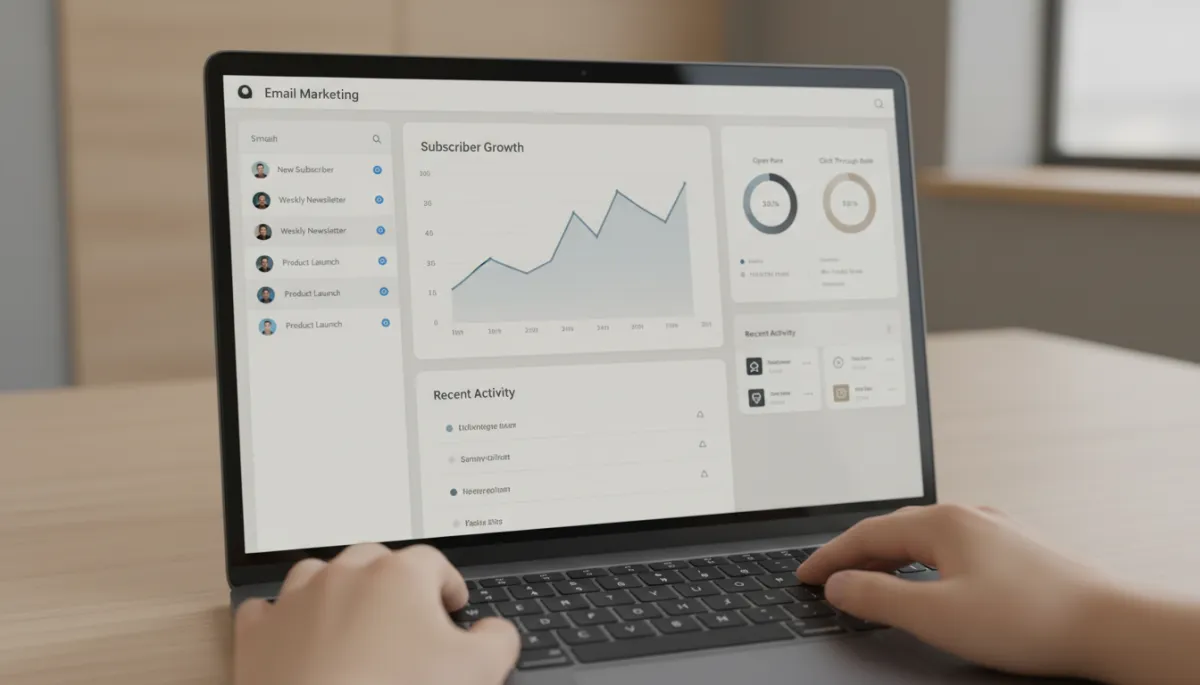
A healthy email list becomes a repeat revenue engine for local businesses.
Same Offer, Different Outcome
If you’re a hairstylist, leading with “I have openings this week” is easy to ignore.
Starting with something like, “If your color starts looking flat after a couple weeks, it’s usually not the color, it’s buildup,” changes things. You’ve said something useful. Something familiar. Something that makes them think.
From there, offering an appointment to handle it doesn’t feel like a pitch. It feels like a solution.
The offer didn’t change. The setup did. That’s what changes the outcome.
Why Your Email List Matters More Than Social
Social media gets attention, but your email list is where consistency lives. When you send an email, it reaches people who already know you. There’s no guessing about visibility or fighting for reach.
That makes your list one of the most stable parts of your business when it’s used correctly.
The mistake is treating it like a place to push promotions instead of a way to stay connected between appointments. The goal isn’t to have the biggest list. It’s to have the right list and give them a reason to stay.
Getting the Right People on Your List
“Join my newsletter” doesn’t mean much to most people. There has to be a clear reason tied to what you do.
An esthetician might offer simple skin tips between appointments and early access to openings. A massage therapist might offer ways to stay loose between sessions and first notice of last-minute availability. A naturopath might share practical ways to reduce overload and support the body between visits.
When the reason is clear, the right people opt in. And when the right people opt in, everything that comes after works better.
What Happens Right After Someone Joins
Most lists go quiet until there’s something to promote, and that’s where engagement starts to drop.
A short welcome sequence fixes that. The first message sets expectations and gives something useful right away. The second shows a real example of someone you helped and what changed for them. The third introduces an offer that connects directly to what you’ve already been talking about.
By the time the offer shows up, it feels expected, not random.
How to Structure Your Ongoing Emails
Your emails don’t need to be complicated, but they do need a rhythm.
Some emails should focus on something helpful or something you’re seeing regularly with clients. Some should share a short story or situation people recognize. Some should answer common questions you hear all the time. And some can be direct offers or simple availability messages.
The difference is that the offers are surrounded by emails that give people a reason to stay engaged. That balance keeps your list from going cold.
Why Most Emails Sound Like Marketing (And How to Fix It)
A lot of emails fall apart because they don’t sound like a person. They sound like marketing.
Formal language, announcements, and phrases no one actually uses create distance. People feel that immediately.
Writing the way you actually talk fixes that. Short sentences, clear thoughts, and a tone that feels like you’re speaking to one person instead of a list.
That alone can change how often your emails get read.
What Changes When You Get This Right
When you start using setup before the ask, your emails stop feeling like interruptions and start feeling like part of an ongoing conversation.
People recognize your name when it shows up. They open more often because there’s usually something useful inside. And when you do make an offer, it doesn’t feel abrupt. It feels like a natural next step.
That’s where rebookings, referrals, and steady business come from.
A Simple Check Before You Hit Send
Before you send your next email, look at it and ask one question.
Did I earn this ask?
If the answer is no, add a little more setup. One quick tip, one short explanation, or one line that reminds them why they’re hearing from you.
Small adjustments like that don’t seem like much in the moment, but over time they change how your emails are received and how often people come back.